
Facebook Ad Types and Which One Fits Your Goal
One image, one video, one carousel. Each type does a different job. Pick the type that fits your goal.
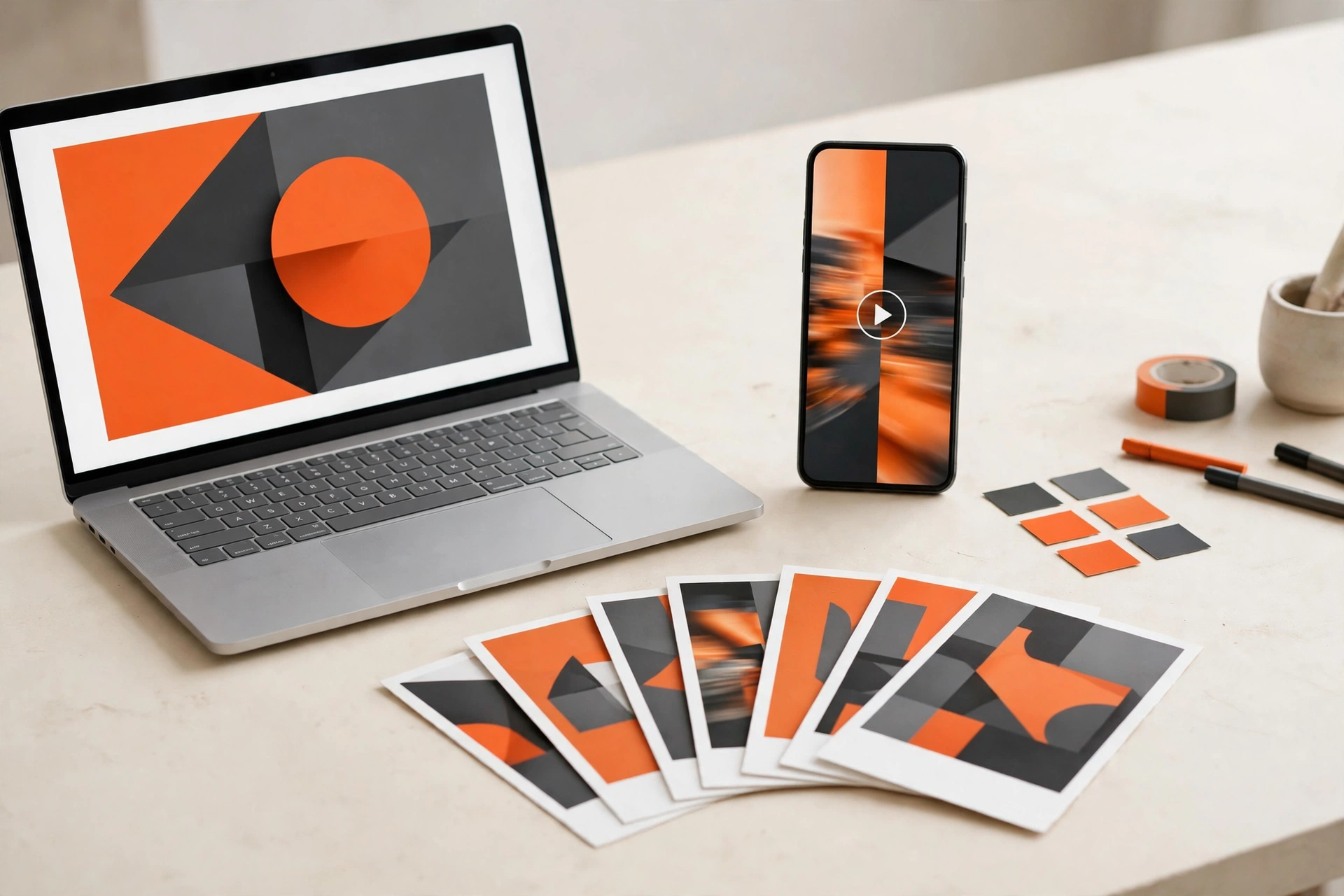
Facebook ad types are the formats your ad can take: a single image, a video, a carousel, a collection, a Reel, a story, or a lead form. Each type fits a different goal. This guide shows what each type does, which goal it fits, and which one your business should run first.
What Are Facebook Ad Types?
Facebook ad types are the formats an ad can take on Facebook and Instagram. The six formats that matter are single image, video, carousel, collection, Reels and Stories, and lead forms. The ad creative is the image or video inside the format. A format is not a placement. A placement is where the ad shows. A format is what the ad is. A format is not an objective. An objective is the goal. Confusing the three is the first mistake. Treating all six as interchangeable is the second. Each type does a different job. What does the single image do?
When Does a Single Image Ad Work Best?
A single image ad works best for one clear offer. One static image, one headline, one call to action. The spec is 4:5 (1080 x 1350) for Feed, with a 9:16 version for Stories and Reels. A single image is the fastest to produce and the cheapest to test. It works for a sale, a service, and retargeting. One frame must carry the complete message. A single image with a clear offer beats a video with no idea. The image is set. When does video win?
When Does a Video Ad Work Best?
A video ad works best when the offer needs to be shown, not told. A demonstration, a testimonial, a before and after, a product in motion. The hook window is 3 seconds. A video that opens slow loses the viewer. Reels and Stories need 9:16 (1080 x 1920), up to 90 seconds, with a sweet spot of 15 to 30 seconds. In-Feed video uses 4:5. Video wins on clicks: average video click-through runs higher than static. Video is not a universal upgrade. A video with no idea loses to an image with one. The video is set. When does a carousel win?
When Does a Carousel Ad Work Best?
A carousel ad works best when one frame cannot carry the message. A swipeable set of 2 to 10 cards, each with its own image or video, headline, and link. A carousel fits a product range, a step-by-step explainer, a before and after, and a feature list. The first card must work alone. Most viewers never swipe. A carousel with a weak first card is a single image with extra work. The carousel is set. When does a collection win?
When Does a Collection Ad Work Best?
A collection ad works best as a mini storefront. A cover image or video plus a product grid that opens a storefront on tap. A collection fits a shop with a catalogue, a sale with many products, and a launch with a range. The cover carries the idea. The grid carries the choice. A collection with a weak cover is a shop with a closed door. The collection is set. When do Reels and Stories win?
When Do Reels and Story Ads Work Best?
Reels and story ads work best for full-screen attention. Both are 9:16 vertical, full screen, fast hook, minimal text. A Reels ad reaches people who do not follow you. Stories reach people who already do. A Reel or story ad needs the hook in the first 3 seconds and the offer before the swipe. Keep the top 14 percent, the bottom 35 percent, and the sides 6 percent clear of key content. A vertical ad built as a square gets cropped, and a cropped ad loses the message. The vertical formats are set. When does a lead ad win?
When Does a Lead Ad Work Best?
A lead ad works best when the enquiry matters more than the click. A lead form opens inside Facebook or Instagram. The visitor answers without leaving the app. A lead ad fits a quote, a booking, a download, and a consultation. A cheap lead is not a good lead. A form with no qualifying question fills the inbox with the wrong people. Ask one question that filters. The lead ad is set. How do you match the type to the goal?
How Do You Match the Type to Your Goal?
Match the type to the goal, not to habit. Awareness fits image, video, and Stories. Consideration fits carousel, lead ads, and Messenger. Conversion fits collection, dynamic ads, and video that shows proof. One image for one clear proposition. Video to demonstrate. Carousel to show variety or steps. Collection for a mini storefront. Reels and Stories for full-screen immersion. Lead forms to capture details without a landing page. The table is set. What mistakes do advertisers make?
What Mistakes Do Advertisers Make With Ad Types?
Four mistakes cost the budget. Picking a format out of habit. A single image because you always run one. Treating video as a universal upgrade. A video with no idea loses to an image with one. Building one shape for every placement. A square built for the Feed gets cropped in Stories. Forgetting the first card. A carousel whose first card cannot stand alone is a single image with extra work. The format follows the goal. The goal comes first. How does Ammaar Designs pick?
How Does Ammaar Designs Pick an Ad Type?
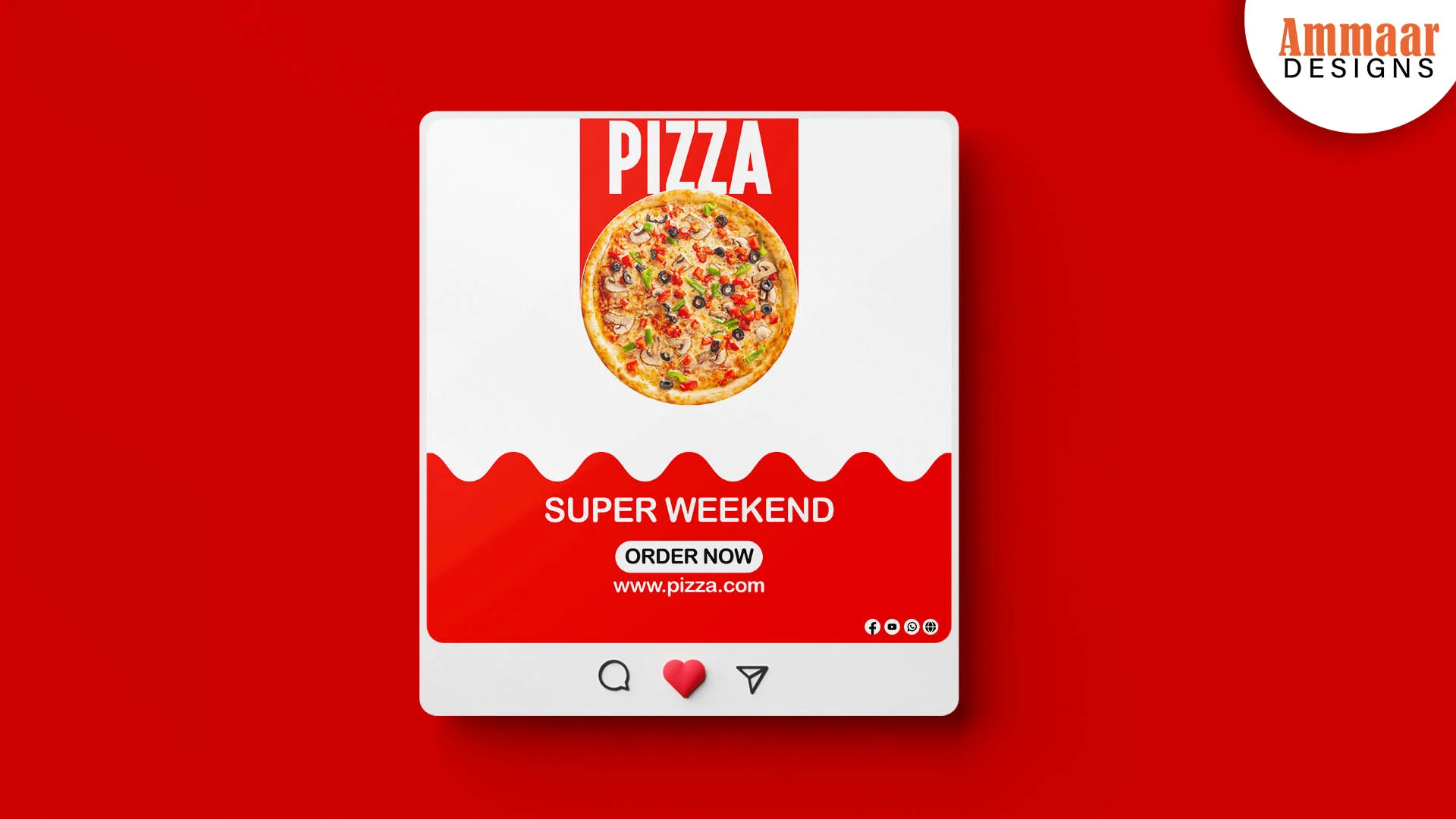
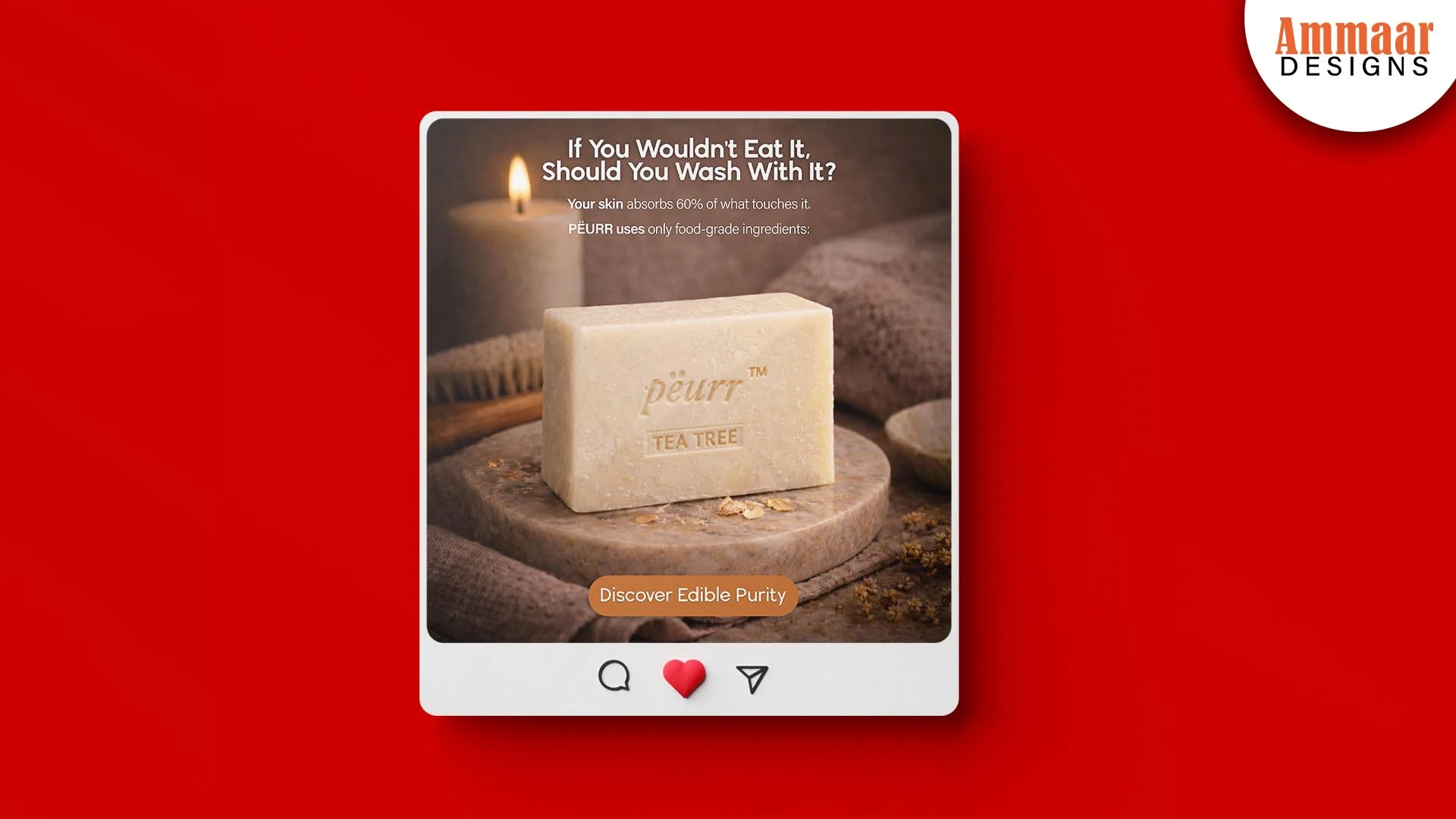
Ammaar Designs picks the type from the goal, then builds the creative for that type, the way a facebook ads agency should. The Pizza Super Weekend ad is a single image with one offer. The Best Burger ad is a single image with one call to action. The PËURR soap ad below is a single image with a question for a hook. One type, one offer, one call to action each. The Ads Creatives page shows what Ammaar Designs builds for you. Or use this guide and pick your type yourself. Either way, the type follows the goal.
Questions, Answered
How many Facebook ad types are there?
Six formats matter: single image, video, carousel, collection, Reels and Stories, and lead forms. Meta lists more, but these six cover the goals a small business runs.
Which Facebook ad type gets the most clicks?
Video wins on clicks on average, with a higher click-through than static. A video with no idea still loses to an image with one. The hook matters more than the format.
What is the best ad type for a small business?
A single image ad, for one clear offer. It is the fastest to produce, the cheapest to test, and the easiest to read. Add video and carousel once the image proves the offer.
What size should a Facebook ad image be?
1080 x 1350 (4:5) for Feed, 1080 x 1920 (9:16) for Stories and Reels. One asset in 4:5 covers Feed, Instagram Feed, and Threads. Build a 9:16 version for vertical placements.
Can one ad use image and video?
Yes, in a carousel. Each card can hold an image or a video, with its own headline and link. A single image ad holds one image. A video ad holds one video.
What is the difference between a format and a placement?
A format is what the ad is. A placement is where the ad shows. A single image is a format. The Facebook Feed is a placement. A video is a format. Reels is a placement.
What Should You Do Next?
Pick the type that fits your goal, then build one ad in that type. One image for one offer, one video to demonstrate, one carousel to show the range. Run it for 5 to 7 days, then read the numbers. Or ask Ammaar Designs to build the creative for you. The Ads Creatives service page shows what Ammaar Designs builds for you. Book a free strategy call and leave with a clear next step.
Read the Meta Ads Guides next, for Ads Manager and the Ad Library around the ad types.
Ready for Ads That Pay You Back?
Book a free strategy call. You leave with a clear next step, whether you hire us or not.
Book a Free Strategy Call