Rebrand vs Refresh
A refresh fixes a dated look. A rebrand rebuilds the brand. Learn how to tell which one your business needs, before you spend money on the wrong one.

A refresh updates the look of your brand. A rebrand rebuilds the brand itself: the positioning, the identity, and the message. This guide explains what each one is, how to tell which one your business needs, what a brand audit shows, and the mistakes that cost you either way.
What Is a Refresh?
A refresh updates the look of your brand without changing what the brand stands for. The logo gets cleaner lines, the colour palette gets a new accent, the typography gets a new family, and the materials get a consistent look. The positioning stays the same. The audience stays the same. The offer stays the same. The name stays the same.
A refresh fits a brand that works but looks dated. The business is sound, the customers are happy, and the look has not kept up. A refresh is the smaller job: weeks, not months, and a lower scope than a rebrand. What is a rebrand, then?
What Is a Rebrand?
A rebrand rebuilds the brand from its positioning up. The positioning changes: who the brand serves, what it promises, and why it is different. The identity redesign follows: a new logo, a new palette, new typography, new imagery, and new messaging. The launch guidelines record the new rules, and the rollout puts the new brand on every piece, in order.
A rebrand fits a brand that has not kept up with its business. The business changed, the audience changed, or the offer changed, and the brand still speaks to the old one. A rebrand is the bigger job: months, not weeks, and a scope that covers the strategy and the identity. How do you tell which one your brand needs?
How Do You Tell Which One Your Brand Needs?
Three questions decide it: the business, the audience, and the look. The business: has what you sell changed? The audience: has who you serve changed? The look: does the brand still look like the business you run? A business that changed and an audience that changed need a rebrand. A business that stayed the same and a look that dated need a refresh.
Ask your customers first. A customer who still buys from you and still recommends you trusts the brand you have. A customer who left for a competitor that looks more established tells you the look is the problem. A customer who no longer understands what you sell tells you the positioning is the problem. What shows the answer in full?
What Does a Brand Audit Show?
A brand audit shows where your brand stands, in 4 parts. The positioning: who you serve, what you promise, and why you are different, written in one sentence each. The identity: the logo, the colour palette, the typography, and the imagery, checked against every piece your business uses. The messaging: the words on your website, your posts, and your materials, checked for one tone. The gap: the difference between the brand you have and the business you run.
The audit names the decision. A gap in the look alone means a refresh. A gap in the positioning means a rebrand. A gap in the messaging means the words need work, with either job. The audit is the step before the work, and it costs less than either job done wrong. What does a refresh change?
What Does a Refresh Change?
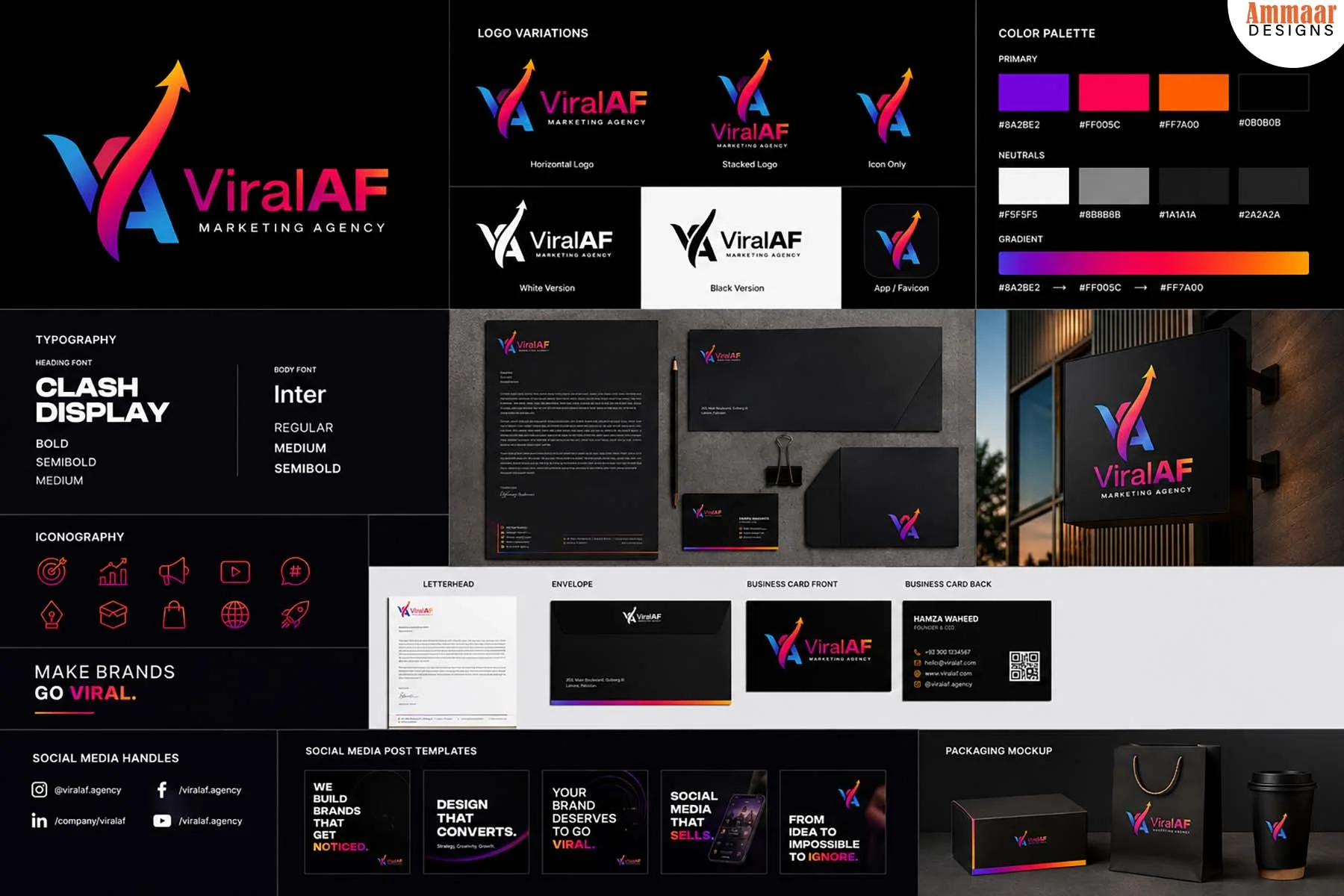
A refresh changes the look, not the brand. The logo gets cleaner lines and a clearer mark. The colour palette gets a new accent and the same main colours. The typography gets a new family that reads better at small sizes. The materials get a consistent look: card, post, website, and sign, all carrying the same palette and the same type.
A refresh keeps the name, the positioning, and the audience. It keeps the customers who already trust you, because the brand still feels like the same business. The launch is quiet: the new look rolls out piece by piece, and the customers notice the improvement without a big announcement. What does a rebrand change?
What Does a Rebrand Change?
A rebrand changes the brand, from the positioning to the last piece. The positioning changes first: a new sentence for who you serve, what you promise, and why you are different. The identity redesign follows: a new logo, a new palette, new typography, new imagery, and new messaging. The launch guidelines record the new rules, and the rollout puts the new brand on every piece, in order: website first, then social, then print, then signs.
A rebrand needs a launch, because the customers must learn the new brand. The launch explains what changed and why, in plain words, and it shows the new brand in its real places. A rebrand without a launch confuses the customers who trusted the old brand. How does the Ammaar Designs rebrand process work?
How Does the Ammaar Designs Rebrand Process Work?
The Ammaar Designs rebrand process starts with the audit, not with the logo. The audit names the gap: positioning, look, or messaging. The strategy follows: one sentence each for who you serve, what you promise, and why you are different. The identity redesign follows the strategy: a new logo, a new palette, new typography, and new messaging, each built from the strategy sentence.

The launch guidelines record the new rules, and the rollout puts the new brand on every piece, in order. The brand guidelines document carries the logo rules, the colours, the type, and the tone, so the new brand stays the same after the launch. That is a rebrand in practice: audit, strategy, identity, guidelines, rollout. What mistakes do rebrands make?
What Mistakes Do Rebrands Make?
Five mistakes, each with a fix. Rebranding when a refresh would do. A look that dated is not a brand that failed. The fix is the audit, before the work. Changing the name for no reason. A name customers trust is an asset, and a new name throws it away. The fix is the refresh, with the name kept. Skipping the strategy. A new logo with the old positioning is a new look on an old brand. The fix is the strategy sentence, written before the design. Launching with no guidelines. A new brand with no rules drifts the first time someone else uses it. The fix is the brand guidelines, written with the identity. Rolling out in the wrong order. A new sign before a new website confuses the customers who find you online first. The fix is the rollout order: website, social, print, signs.
Each mistake has the same cause: the work started with the logo, not with the audit. The audit names the job, and the job names the scope. Should you refresh or rebrand first?
Should You Refresh or Rebrand First?
Start with the audit, and let it name the job. A gap in the look alone means a refresh first. A gap in the positioning means a rebrand, and the refresh comes after, as part of it. A business that refreshes when it needed a rebrand spends twice: once on the refresh, once on the rebrand that follows. A business that rebrands when it needed a refresh throws away the trust its name earned.
The Brand Strategy / Rebrand page shows the rebrand package and the files you receive. The Branding Cost Estimator tool shows what a branding scope includes before you book a call. Which route fits your business?
Questions, Answered
What is the difference between a rebrand and a refresh?
A refresh updates the look of your brand. A rebrand rebuilds the brand itself: the positioning, the identity, and the message. A refresh keeps the name, the positioning, and the audience. A rebrand changes the positioning first, then the identity.
How do I know if my brand needs a rebrand?
A brand audit names the answer. A gap in the look alone means a refresh. A gap in the positioning means a rebrand. Ask your customers first: a customer who no longer understands what you sell tells you the positioning is the problem.
How long does a rebrand take?
A rebrand takes months, not weeks. The audit, the strategy, the identity redesign, the guidelines, and the rollout each take time, and the rollout puts the new brand on every piece, in order.
Should I change my business name in a rebrand?
No, unless the name itself is the problem. A name customers trust is an asset, and a new name throws it away. Change the name only when it no longer fits the business, the audience, or the offer.
What is a brand audit?
A brand audit shows where your brand stands, in 4 parts: positioning, identity, messaging, and the gap. The gap is the difference between the brand you have and the business you run, and it names the job: refresh or rebrand.
Can I refresh my brand myself?
A small refresh is a real DIY job when the positioning stays the same. A new accent colour, a cleaner logo, and a consistent type are within reach of a free tool. A rebrand needs a designer, because it starts with the strategy, not with the look.
What Should You Do Next?
Run the audit on your own brand. Write one sentence each for who you serve, what you promise, and why you are different. Check your logo, your colours, your type, and your words against every piece your business uses. A gap in the look alone means a refresh. A gap in the positioning means a rebrand. The Brand Strategy / Rebrand service page shows the package and the files you receive. Book a free strategy call and leave with a clear next step.
Read the Brand and Creative Guides next, for the brand strategy and the visual identity.
Ready for a Brand That Kept Up With Your Business?
Book a free strategy call. You leave with a clear next step, whether you hire us or not.
Book a Free Strategy Call