
Brand Strategy Small Business
Brand strategy starts with positioning, audience, and offer, not with a logo. Learn the steps, so your brand has a reason before it has a look.

Brand strategy is the plan behind the brand: who you serve, what you promise, and why you are different, written before a single logo is drawn. This guide explains what brand strategy is, why a small business needs one, what it includes, and how to turn it into a brand that looks like one brand.
What Is Brand Strategy?
Brand strategy is the set of decisions that give your brand its direction. The decisions are positioning, audience, offer, and messaging. Positioning is who you serve, what you promise, and why you are different, in one sentence each. Audience is the customer you serve first, named in plain words. Offer is what you sell and what it does for that customer. Messaging is the words you use to say it.
Brand strategy comes before design. A logo built without a strategy is a mark with no reason behind it. A brand built on a strategy has a reason for every choice: the colours, the type, the tone, and the imagery all serve the positioning. Why does a small business need one?
Why Does a Small Business Need Brand Strategy?
A small business needs brand strategy because it cannot afford to look like everyone else. A big business buys attention with budget. A small business earns it with clarity: one audience, one promise, one reason to choose it. A brand with no strategy tries to serve everyone, promises everything, and looks like no one in particular.
Strategy also keeps the budget in check. A business with a strategy knows what to build first and what to skip: the logo system and the guidelines before the packaging, the positioning before the posts. A business with no strategy buys pieces that never add up to a brand. What does brand strategy include?
What Does Brand Strategy Include?
Brand strategy includes 4 parts. Positioning: who you serve, what you promise, and why you are different. Audience: the customer you serve first, named in plain words, with the problem they face and the result they want. Offer: what you sell, what it does for that customer, and what it costs to ignore it. Messaging: the words you use to say it, in one tone, on every piece.
Each part serves the same goal: one business, with one reason to choose it, said the same way in every place. The positioning guides the design. The audience guides the words. The offer guides the price. The messaging guides the posts. The brand identity turns the strategy into the look: logo, colour palette, typography, and tone, each built from the strategy sentence. How do you find your positioning?
How Do You Find Your Positioning?
You find your positioning by naming 3 things: the customer, the promise, and the difference. The customer is the one person you serve first. The promise is the result that customer gets from you. The difference is what you do that the competitor does not. Write each one in one sentence. A positioning sentence that needs a paragraph is not a positioning sentence.
Check the 3 closest competitors. Look at what they all promise: the same words, the same offer, the same look. Your positioning must differ from that shared pattern, or customers will see no reason to choose you. A bakery writes fresh, warm, family, local, honest. A gym writes strong, fast, focused, friendly, open. Your words are the test for every design choice that follows. How do you know your audience?
How Do You Know Your Audience?
You know your audience when you can name one person, their problem, and the result they want. A customer is not a demographic. A customer is a person with a problem and a result in mind: a shop owner who needs a sign that brings walk-ins, a parent who needs a birthday cake that looks the part, a clinic that needs a website that brings bookings.
Ask your best customers. A customer who already buys from you and recommends you tells you who the audience is. A customer who left for a competitor tells you what the audience wanted and did not get. Your audience is the person you serve first, not everyone you could serve. How does the Ammaar Designs brand strategy work?
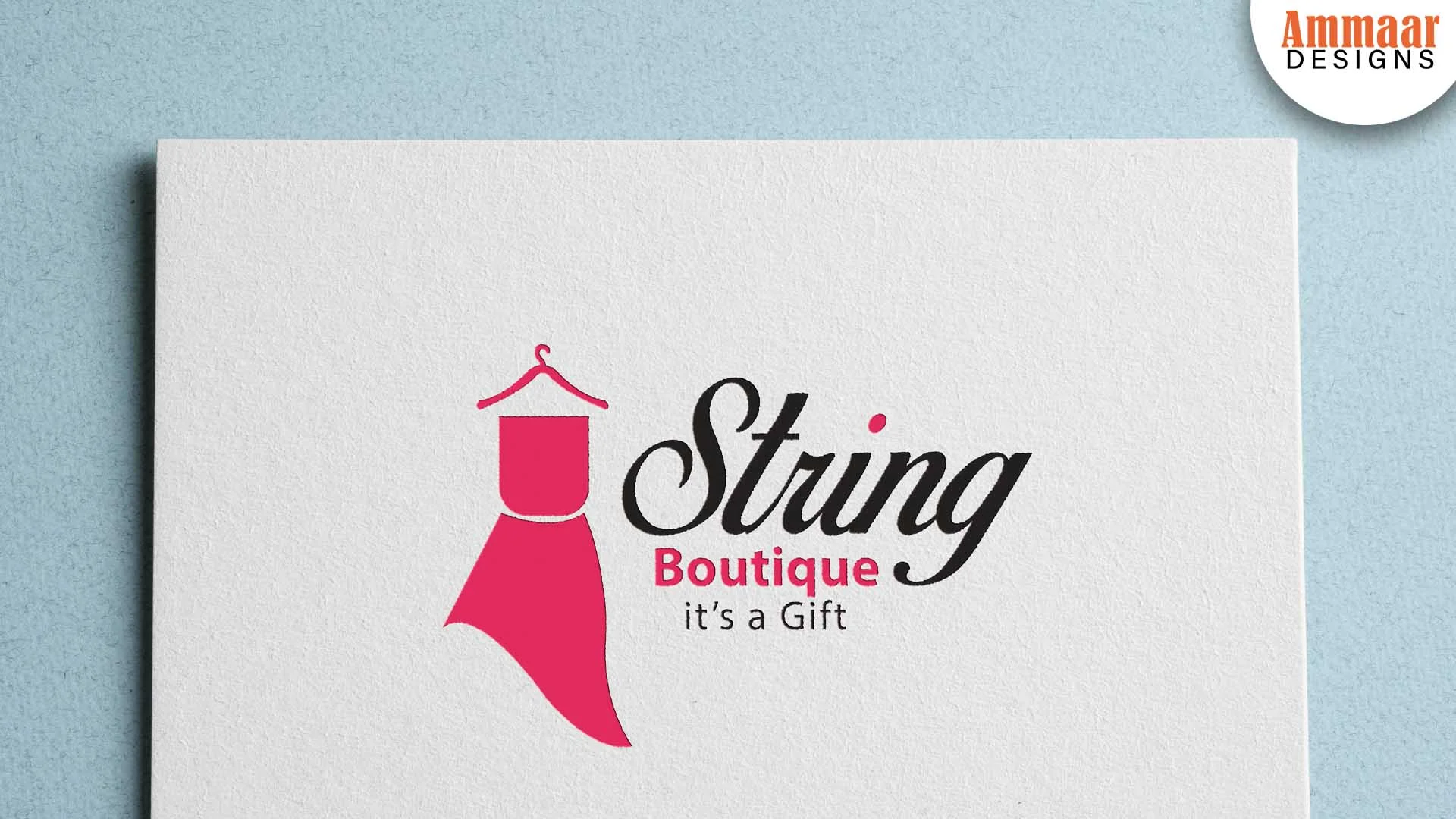
How Does the Ammaar Designs Brand Strategy Work?
The Ammaar Designs brand strategy is one sentence: affordable design, high quality, for small businesses that want to look like one brand. The audience is the small business owner who runs the business and needs the brand to sell while they work. The offer is design and marketing that looks like it came from a big agency, at a price a small business can pay. The difference is the price and the proof: real work, shown as it is, with no filler.
The strategy guides every design choice. The logo is a wordmark in orange and black, because the brand is direct and the price is honest. The tone is plain and direct: short sentences, no filler, one idea per line. The brand guidelines record the logo rules, the colours, the type, and the tone, so every piece the agency makes looks like the same business. That is brand strategy in practice: one sentence, and every choice serves it. How do you turn strategy into a brand?
How Do You Turn Strategy Into a Brand?
You turn strategy into a brand in 4 steps, in order. Step 1 is the strategy sentence: one sentence each for the customer, the promise, and the difference. Step 2 is the identity: a logo, a colour palette, typography, and tone, each built from the strategy sentence. Step 3 is the guidelines: a document that records the logo rules, the colours, the type, and the tone, with one example per rule. Step 4 is the rollout: the new brand on every piece, in order, with a mockup of each place it appears.
Build the strategy before the design. A logo built before the strategy is a mark with no reason behind it, and it will change the first time the business changes its mind. A brand built on a strategy survives the first change, because the reason stays the same. What mistakes weaken a brand strategy?
What Mistakes Weaken a Brand Strategy?
Five mistakes, each with a fix. Serving everyone. A brand that tries to serve everyone serves no one in particular. The fix is one audience, named first. Promising everything. A promise that covers everything promises nothing. The fix is one result, named in one sentence. Copying the competitor. A strategy that copies the market leader looks like a copy, not a competitor. The fix is the difference: what you do that the competitor does not. Starting with the logo. A mark built before the strategy has no reason behind it. The fix is the strategy sentence, written first. Skipping the guidelines. A strategy with no document drifts the first time someone else uses it. The fix is the brand guidelines, written with the identity.
Each mistake has the same cause: the work started with the look, not with the reason. The strategy is the reason, and the look serves it. Should you write a brand strategy yourself or hire a designer?
Should You Write a Brand Strategy Yourself or Hire a Designer?
Three questions decide it: time, skill, and reach. Time: do you have days to name the customer, the promise, and the difference, and to test them against your competitors? Skill: can you write one sentence for each, or will you learn how? Reach: where must the strategy work? If the brand only needs a one-page strategy for a single channel, and you have time and the questions above, DIY is a real option. If the brand needs the full strategy, the identity, and the guidelines, a designer earns the fee.
The Brand Strategy / Rebrand page shows the package and the files you receive. The Branding Cost Estimator tool shows what a branding scope includes before you book a call. Which route fits your business?
Questions, Answered
What is brand strategy?
Brand strategy is the set of decisions that give your brand its direction: positioning, audience, offer, and messaging. It is written before a single logo is drawn, and every design choice serves it.
Why does a small business need brand strategy?
A small business cannot afford to look like everyone else. A big business buys attention with budget. A small business earns it with clarity: one audience, one promise, one reason to choose it.
What is brand positioning?
Brand positioning is who you serve, what you promise, and why you are different, in one sentence each. A positioning sentence that needs a paragraph is not a positioning sentence.
How is brand strategy different from a logo?
Brand strategy is the reason. A logo is the mark. The strategy names the customer, the promise, and the difference. The logo is built from the strategy, and it changes when the strategy changes.
How long does brand strategy take?
A first strategy takes days, not hours. The customer, the promise, and the difference each take a day of thought and a day of testing against your competitors. The identity that follows takes weeks.
Can I write a brand strategy myself?
Yes, when the brand needs a one-page strategy for a single channel. Name the customer, the promise, and the difference, one sentence each, and test them against your 3 closest competitors. A full strategy, identity, and guidelines need a designer.
What Should You Do Next?
Write your own strategy sentence. Name the customer you serve first, the promise you make them, and the difference that sets you apart, one sentence each. Test each sentence against your 3 closest competitors: a sentence that matches theirs is not a strategy. Build the identity from the sentence, or ask Ammaar Designs to build it for you. The Brand Strategy / Rebrand service page shows the package and the files you receive. Book a free strategy call and leave with a clear next step.
Read the Brand and Creative Guides next, for the logo system and the rebrand decision.
Ready for a Brand With a Reason Behind It?
Book a free strategy call. You leave with a clear next step, whether you hire us or not.
Book a Free Strategy Call